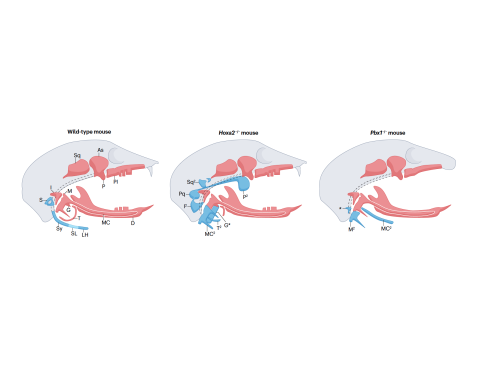
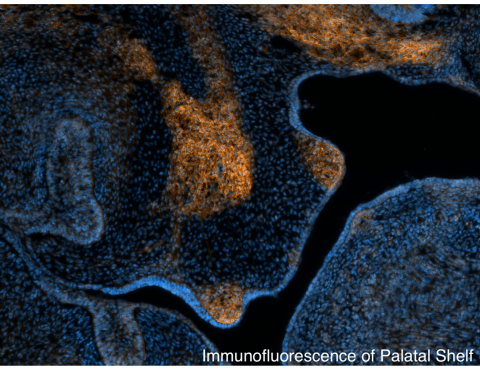
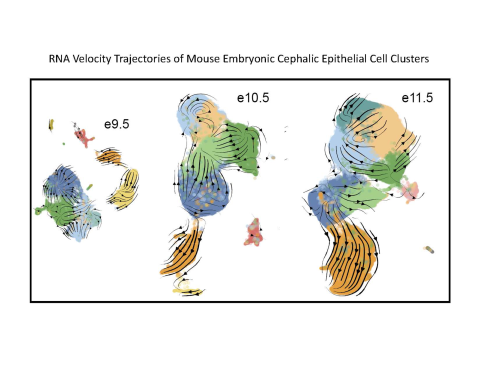
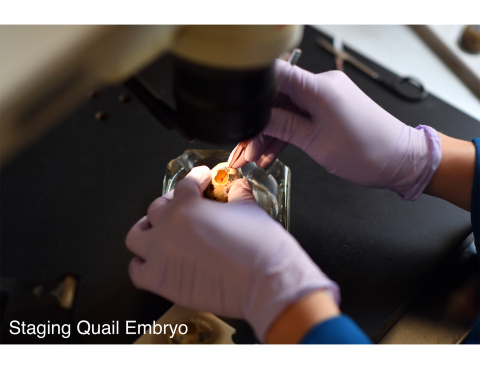
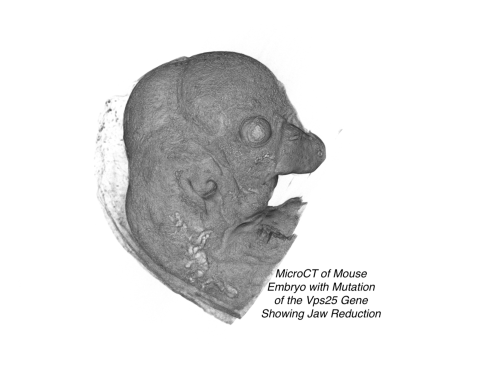
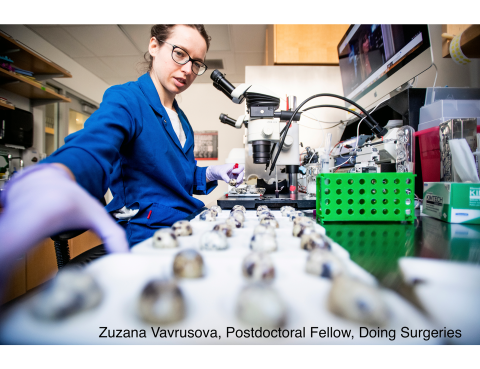
The Program in Craniofacial Biology (PCB) at the University of California, San Francisco, led by Licia Selleri, MD, PhD, brings together a group of investigators highly motivated to study the cellular, molecular, regulatory, and evolutionary mechanisms underlying the development of the craniofacial complex and of tissues such as cartilage, bone, and muscle. Researchers in the PCB also study the biology of stem cells, including the neural crest, and how these progenitors differentiate into different cell types and tissues that form the head, neck, and musculoskeletal system. A special focus is devoted also to the aberrations of these developmental processes, which give rise to birth craniofacial anomalies and musculoskeletal diseases. Craniofacial birth abnormalities account for approximately 1/3 of all human congenital diseases and cause serious suffering and hardship for patients and their families, as well as requiring costly and long-term repair surgeries.
Most PCB labs are located within the stimulating scientific environment of UCSF on the Parnassus Campus, with some research groups running their laboratories at Mission Bay. The PCB comprises one of the strongest US communities devoted to the study of craniofacial development and birth craniofacial abnormalities. We partner with several strong programs at UCSF, including the UCSF Musculoskeletal Center. We have also established collaborations with other outstanding laboratories that focus on craniofacial development and function in the Bay Area, both at Stanford and at the Lawrence Berkeley National Laboratory (LBNL).
UCSF Craniofacial Center
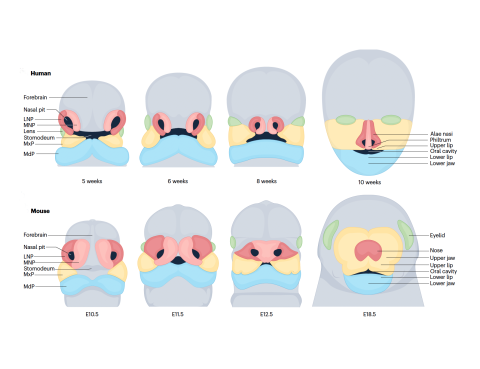
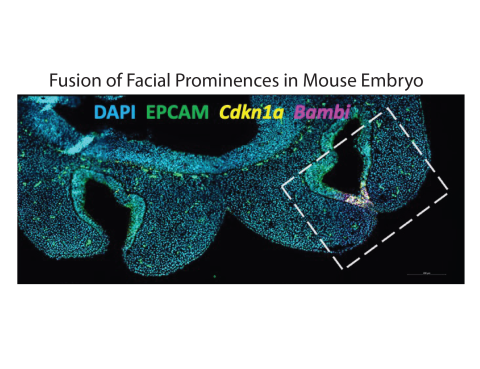
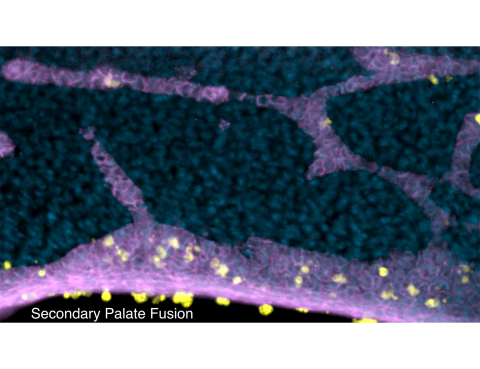
The UCSF Craniofacial Center treats all types of conditions affecting the face, head and neck, whether present at birth or acquired from trauma or tumor. The most common conditions include cleft lip with or without cleft palate, which result from lack of fusion of the facial prominences and/or palatal shelves, and craniosynostosis syndromes, which involve the early fusing of one or more of the bones in the skull and face during fetal development.
Faculty
Meet the UCSF Program in Craniofacial Biology (PCB) faculty
PCB Seminars
Upcoming seminars in 2024